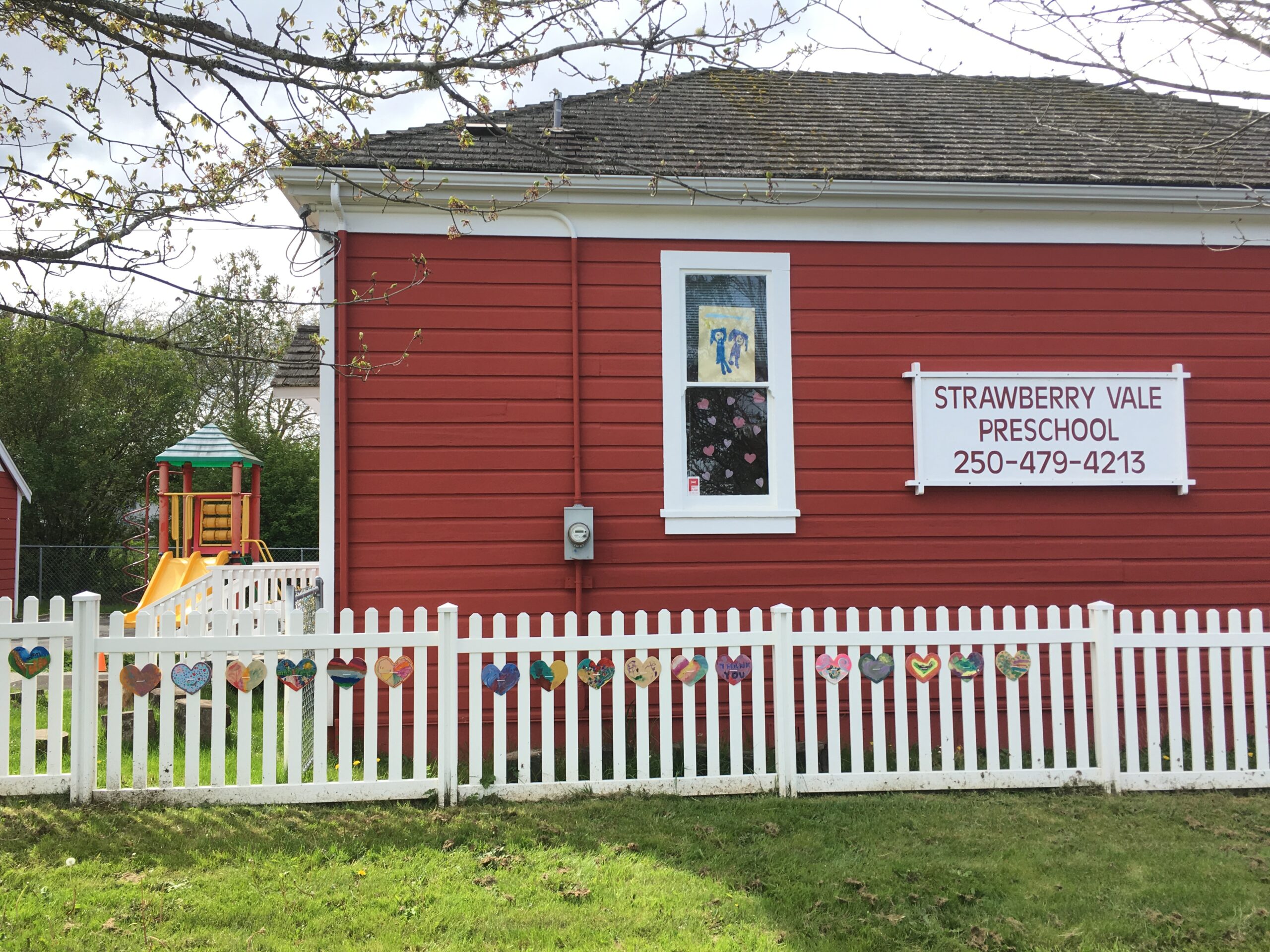
As an observer of early childhood development for years, one thing consistently stands out: the unparalleled importance of play-based learning. At Strawberry Vale Preschool, we see daily how structured yet free exploration nurtures crucial cognitive and social skills in our 3 and 4-year-olds. It’s not just about stacking blocks or mixing paints; it’s about problem-solving, emotional regulation, and early literacy foundations.
We often discuss with parents how these seemingly simple activities translate into later success. When a child negotiates sharing paintbrushes, they are practicing conflict resolution. When they try to balance a tower that keeps falling, they are intuitively grasping physics and persistence. This deep engagement, where learning feels like pure fun, is the secret sauce.
However, nurturing this environment requires resources, community support, and a solid understanding of what keeps young minds engaged for the long term. Sometimes, as educators and community members, we look for inspiration on how to maintain high-quality, enriching activities—whether that’s securing new learning materials or even finding ways to fund special community events that keep our cooperative spirit alive.
It’s fascinating how the drive for engaging, stimulating experiences applies across different life stages, though the methods certainly differ. For instance, adults also seek environments that offer stimulating challenges and the potential for satisfying outcomes, often involving strategy and a bit of calculated risk to achieve a rewarding result. When looking for examples of engaging platforms that keep users actively involved, sometimes you stumble upon things completely unexpected. If you are curious about platforms focused on sophisticated engagement and immersive experiences designed for adult entertainment and strategic thinking, you can check out this site for an overview of what keeps diverse audiences occupied. It’s a stark contrast to finger painting, but the underlying human desire for stimulation remains.
Back to our preschoolers: the goal remains consistent—fostering curiosity. We encourage parents to bring that same spirit of exploration into home routines. Simple activities, like sorting laundry by color or “cooking” mud pies, become powerful educational moments when approached with genuine interest. Remember, the best learning environments—whether a preschool classroom or an afternoon adventure in the backyard—are those that prioritize active participation over passive instruction.